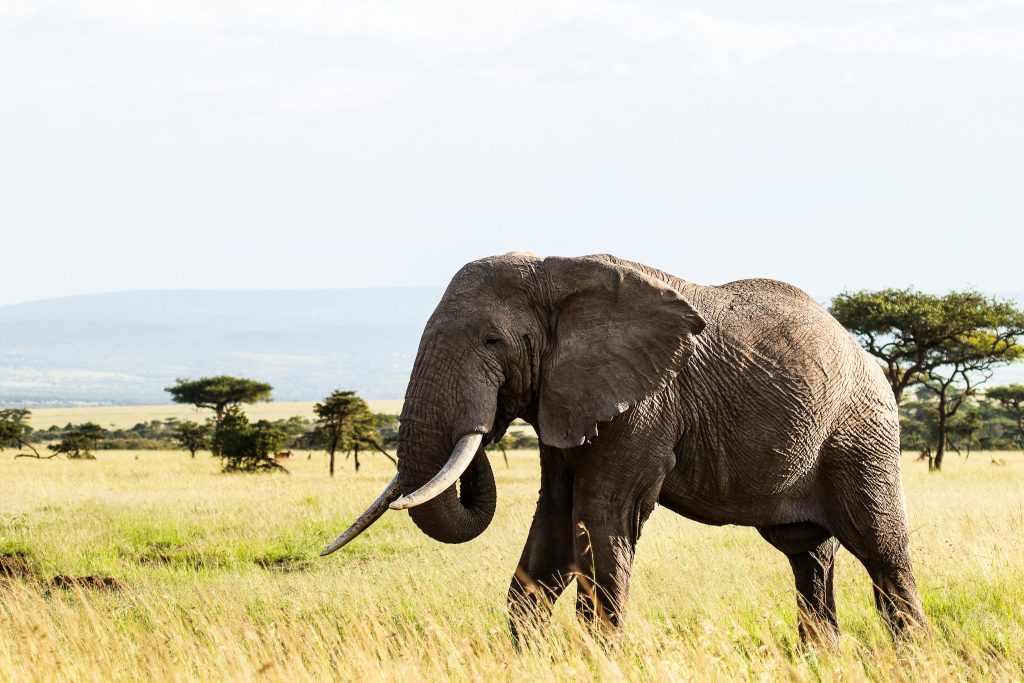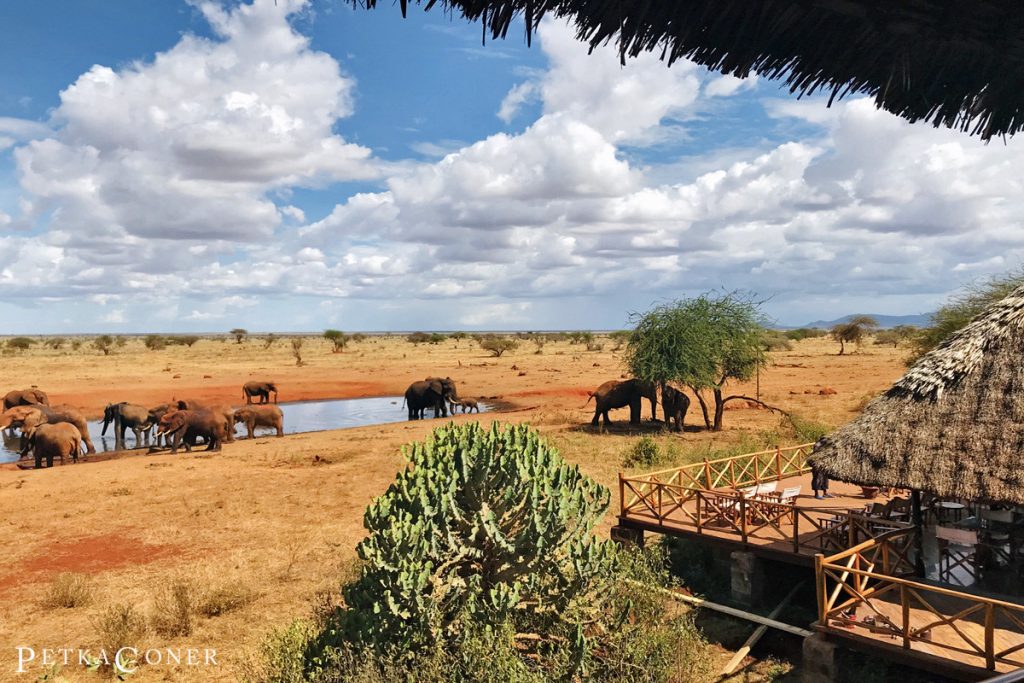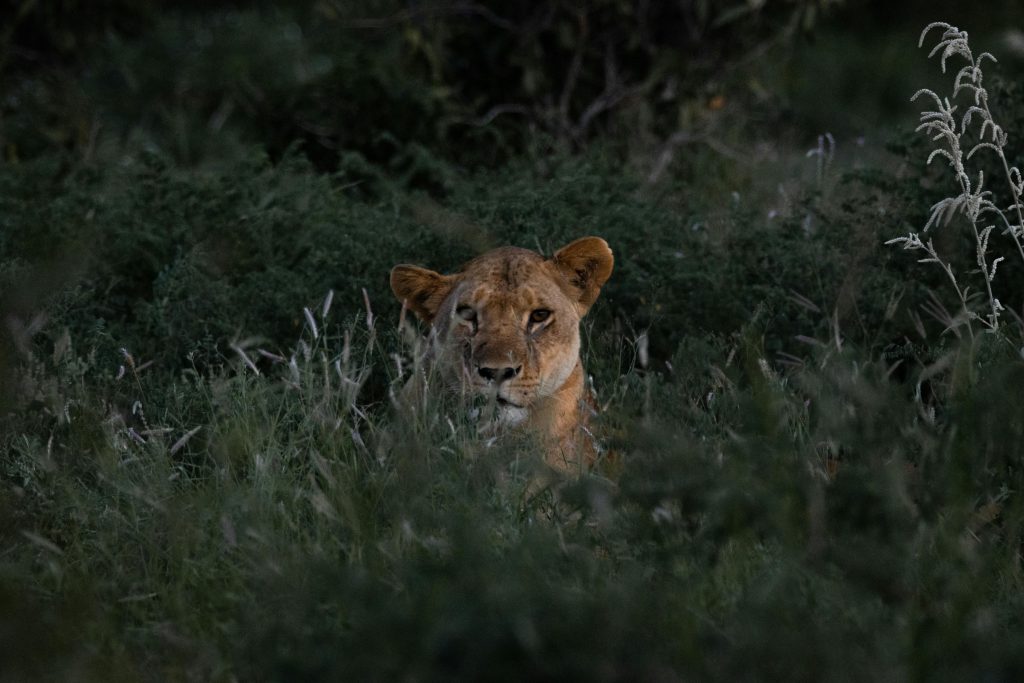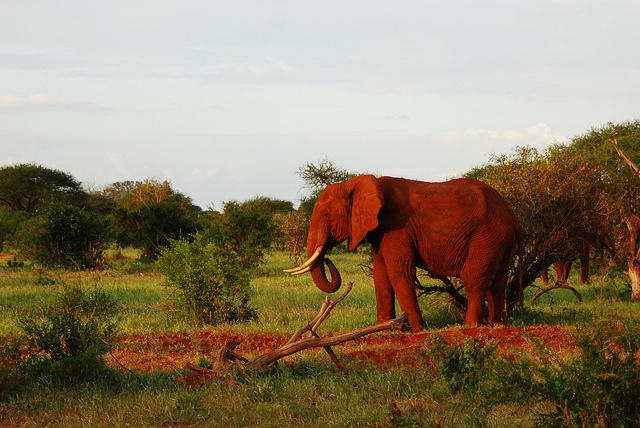
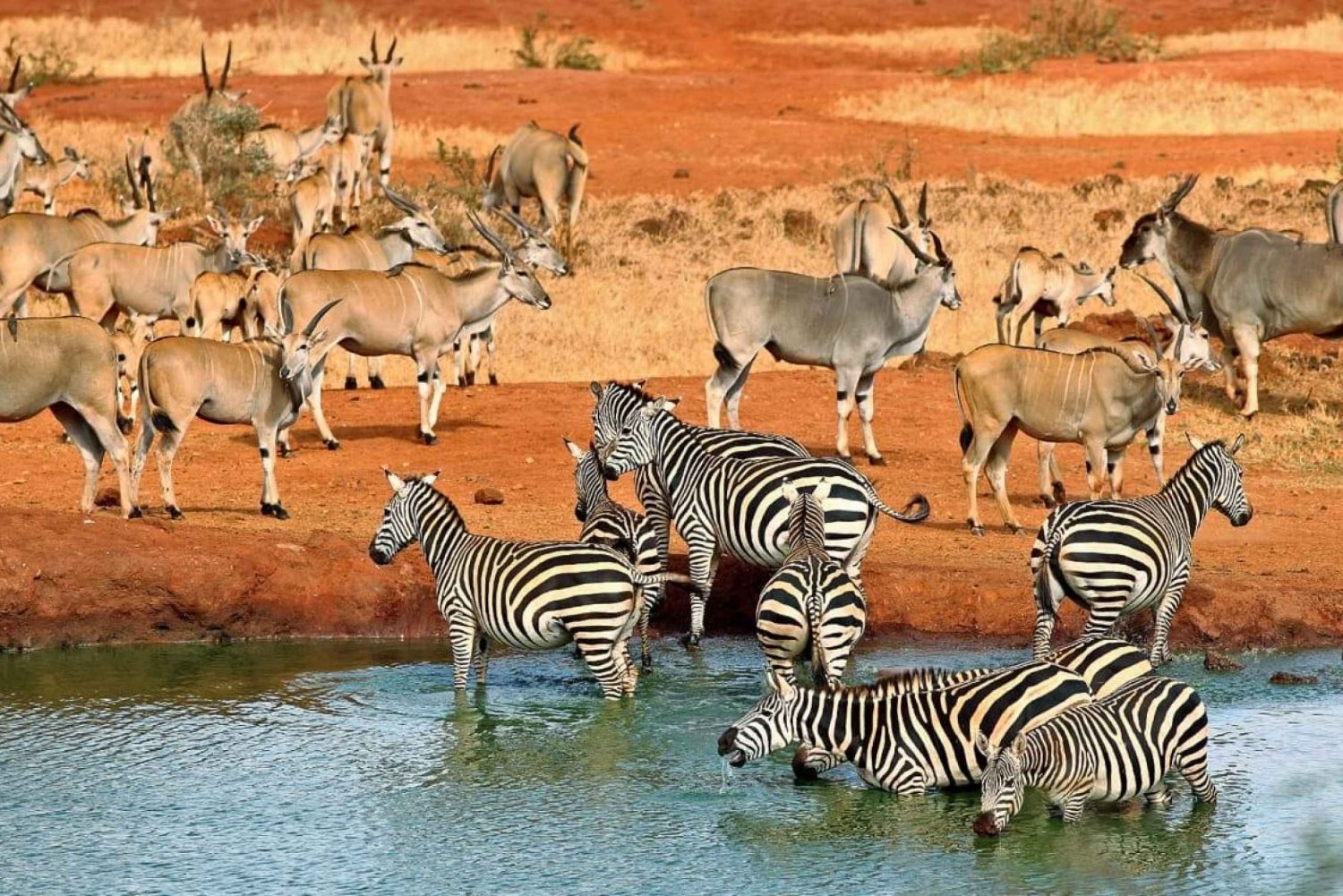
Tsavo West National Park is known as “ Land of Lava, Springs, Man-eaters and Magical Sunsets”. Its popularity is based on the man eating lions that killed hundreds of people during the construction of the Railway line and the highway during the colonial era. Tsavo West national park is the second largest national park in Kenya covering an area of 9,065 square kilometres. Its separated from Tsavo East national by the A109 highway that connects Nairobi to Mombasa. The park is also a home of over fifty million gallons of crystal clear water that comes from under parched lava rock. The park is more scenic than tsavo east national park with rugged mountainous areas. The Mzima springs and the Shetani lava flows are unique attractions found at the park. Tsavo West national park is wetter than tsavo east national park.
To the south of Tsavo West, the Lumo Community Wildlife Sanctuary, directly bordering the well-known Taita Hills Game Sanctuary, is one of Kenya’s most successful new community conservation initiatives. If you’re interested in Lumo safaris you’ll find there’s just one lodge on the conservancy and that it shares a common border with the Taita Hills Sanctuary.
Experience the Tsavo West National Park
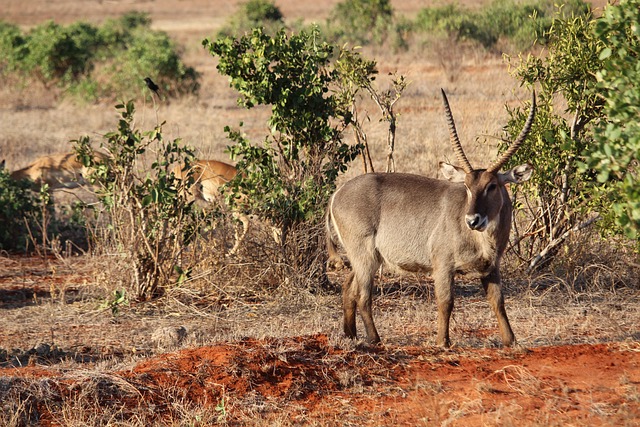
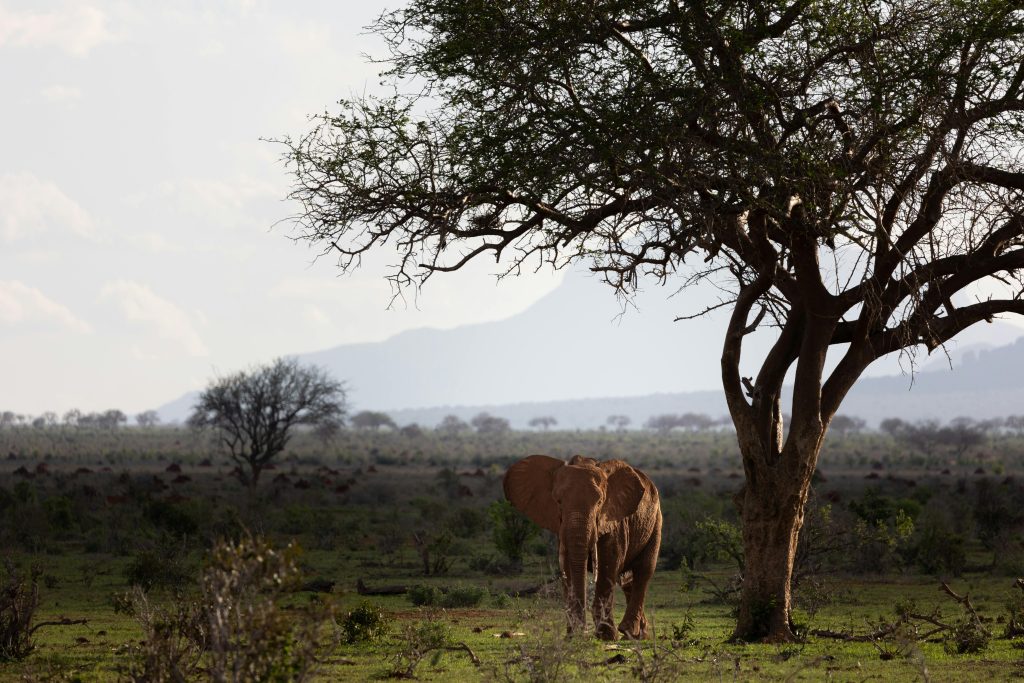
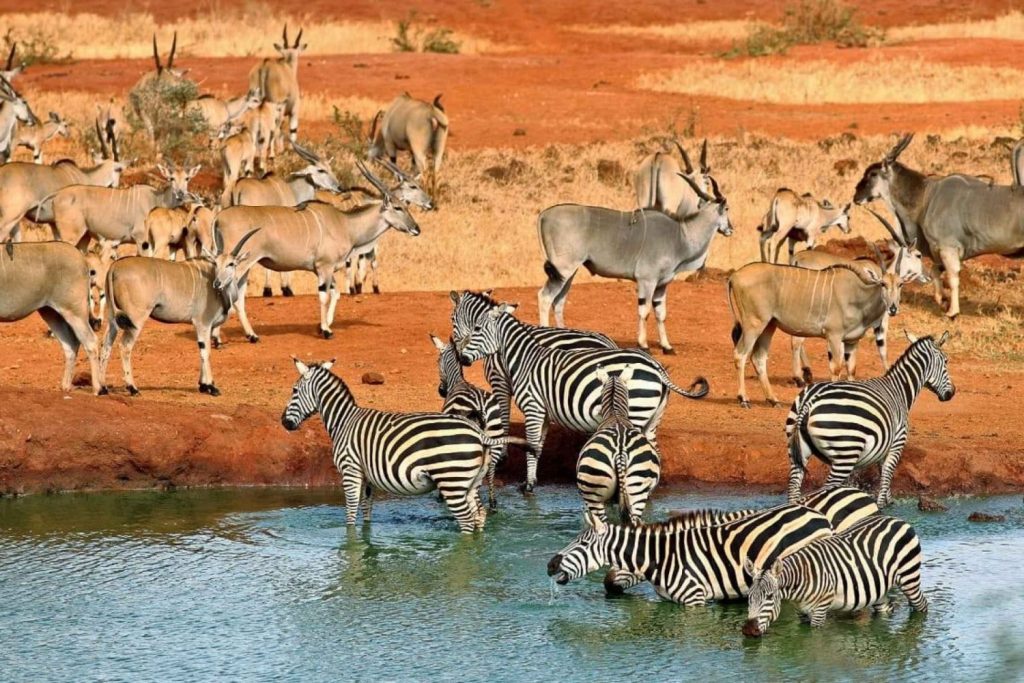
Tsavo West has a variety of landscapes, from swamps and natural springs to rocky peaks, extinct volcanic cones, to rolling plains and sharp reddish outcrops. Wildlife can be difficult to spot because of the dense scrubs. In May 1948, a month after its conception Tsavo National Park was divided into East and West for administrative purposes. At 21 812 square km, Tsavo National Park is the largest park in Kenya. Named after the Tsavo River which flows from west to east, Tsavo West National Park is considered one of the world’s biodiversity strongholds. It is the only Kenyan park that permits night drives and also allows off-road driving so one can see the wildlife close up.
Tsavo West’s prolific birdlife features over 400-recorded species. Ngulia Hills, one of the landmarks in the park, is situated along one of the world’s busiest avian migration routes. Bird ringers make an annual pilgrimage here between October and January. Ngulia is the site of Africa’s foremost bird-ringing (tagging to enable individual bird identification) project. More than 100 migrant and resident species have been ringed here – the most prolific being marsh warbler, river warbler, red-backed shrike, thrush nightingale and common whitethroat.